
Structural Engineering for Protected Structures & Period Properties
Specialist assessment, stabilisation, and conservation-led repair of historic buildings and protected structures across Dublin.
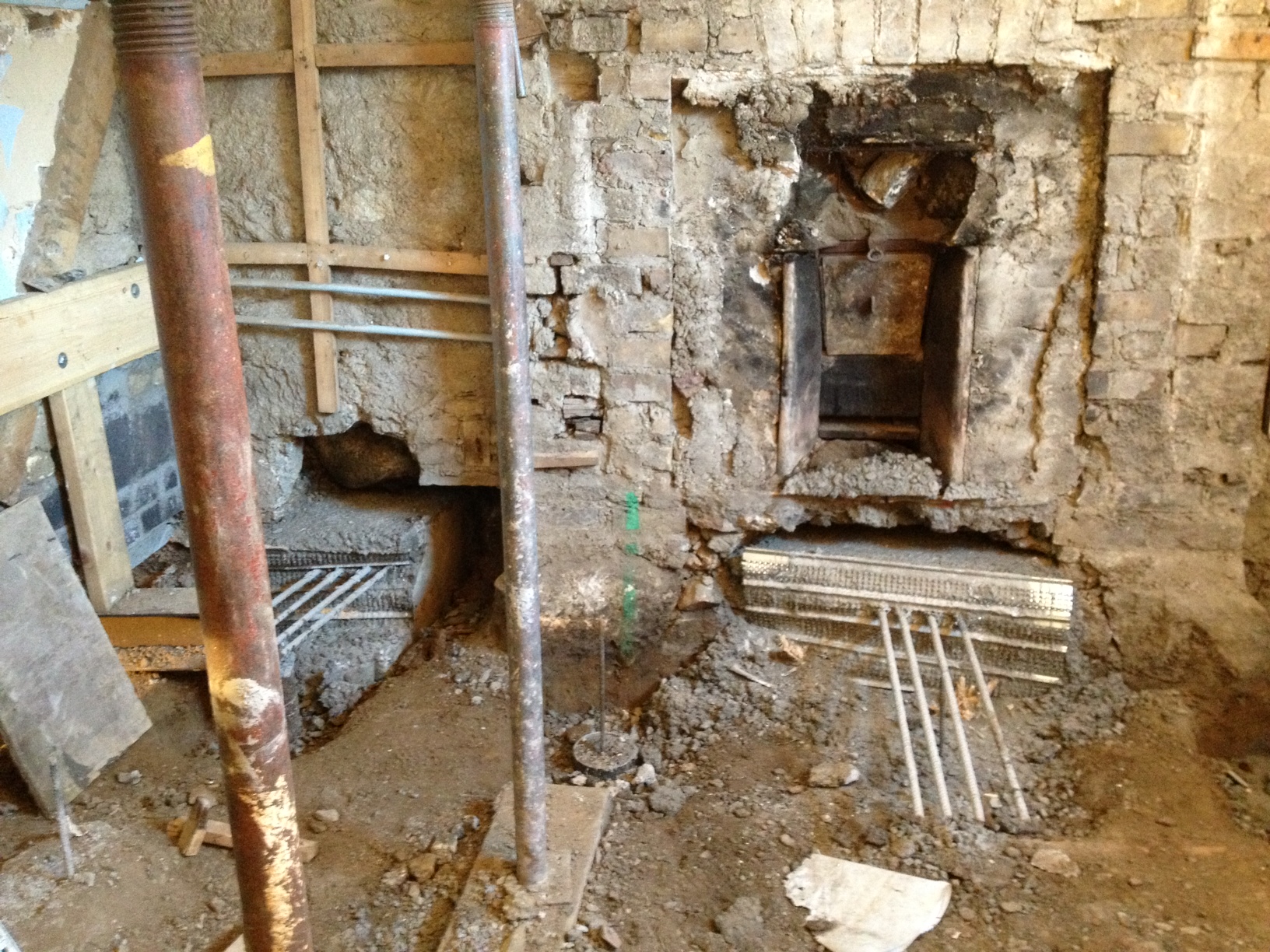
Working with protected structures and period properties requires a different level of care, experience, and coordination.
We provide structural engineering services that:
- Respect the historic fabric of the building
- Comply with conservation and planning requirements
- Deliver practical, long-term solutions to structural issues
Common issues in period properties in Dublin
Older buildings behave differently from modern construction and are often affected by:
- Subsidence and foundation movement
- Water-related damage from leaking services
- Cracking in masonry and lime-based materials
- Sloping or uneven floors
- Alterations carried out over time affecting structural behaviour
Our approach
We adopt a conservation-led engineering approach, combining structural expertise with sensitivity to historic construction:
- Detailed structural assessment and investigation
- Coordination with Conservation Officers and local authorities
- Design of appropriate and proportionate interventions
- Use of traditional materials such as lime-based systems where required
- Integration of modern structural solutions with existing fabric
Conservation & Planning
Projects involving protected structures typically require:
- Engagement with the Conservation Department
- Agreement of proposed works prior to construction
- Careful documentation of interventions
We assist clients through this process, ensuring that:
- Works are compliant with conservation requirements
- The character of the building is retained
- Necessary approvals are obtained efficiently
Structural Solutions
Depending on the condition of the building, solutions may include:
- Foundation stabilisation (including underpinning or piled systems)
- Structural strengthening of walls, floors, and roofs
- Repair of historic masonry and finishes
- Localised rebuilding and reinstatement
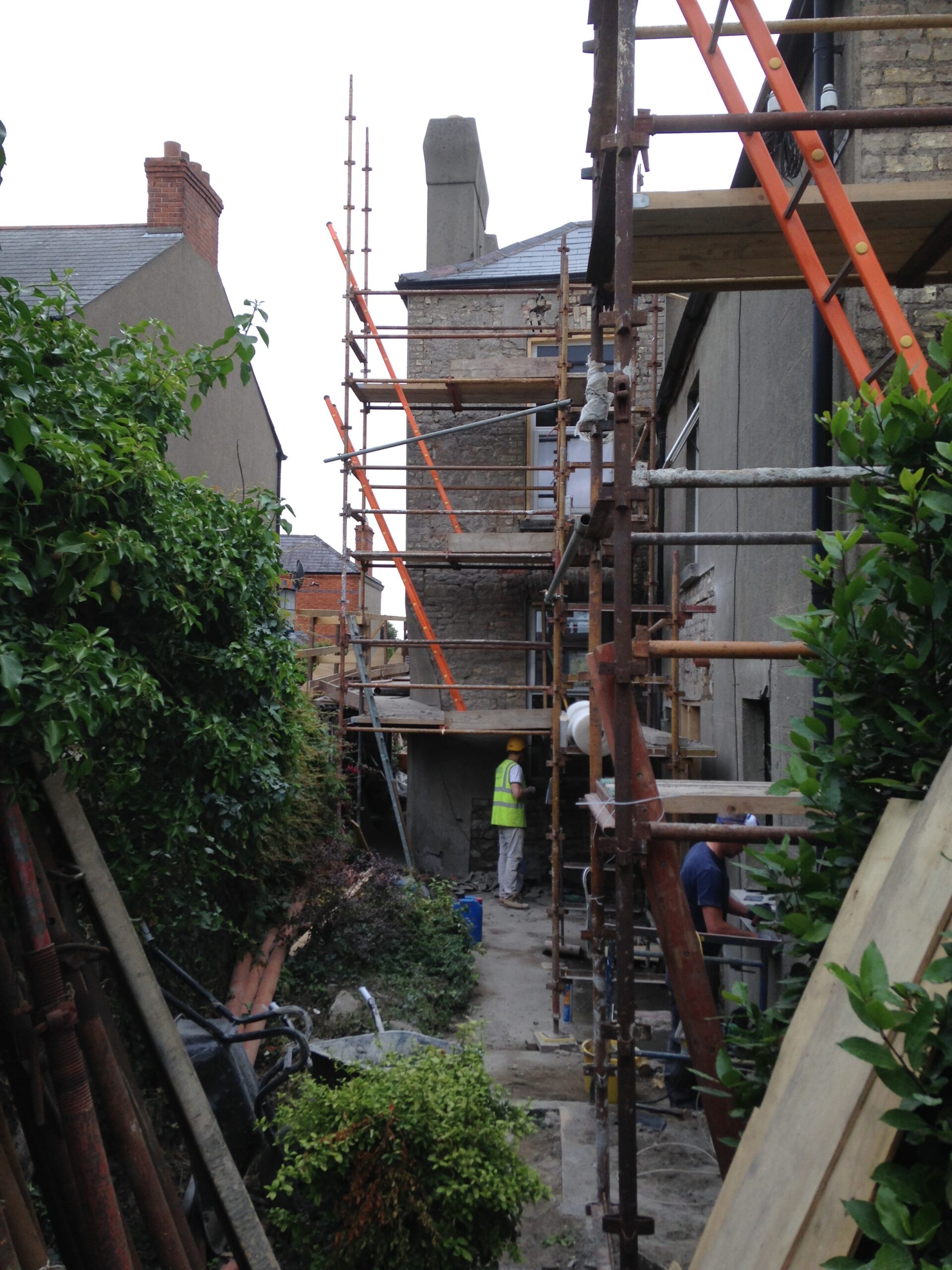
Recent Project Example
Protected Structure, Dublin 6
- Structural damage caused by leaking water main
- Full stabilisation using a foundation support system
- Conservation-led repairs using lime finishes
- Retention and reinstatement of original features
- Coordination with Dublin City Council Conservation Department
All projects are carried out with respect for the building’s historic significance and in accordance with conservation best practice.
Why choose PKT Consulting Engineers?
- Experience with protected and historic structures
- Strong understanding of conservation requirements
- Ability to balance structural performance with heritage preservation
- Proven track record delivering complex repair projects
Request a Subsidence Assessment
Concerned about cracking or movement in a period property?
Early advice is essential to avoid inappropriate repairs or further damage.
Subsidence FAQ
Does building insurance cover subsidence?
Usually, subsidence claims are covered unless expressly excluded from your building insurance policy.
TIP: It is not advisable to shop around yearly for building insurance to avoid issues in the future if you suffer subsidence and need to make a claim. It can be challenging to establish liability if there are multiple insurers over the years. This is different from other insurances, e.g., car insurance.
Can I appoint my own engineer if my insurer's loss adjuster wants to appoint theirs?
You can usually employ your engineer under the terms of your policy and have their reasonable costs covered unless it’s expressly excluded. Ask to be shown the wording by the insurer’s loss adjuster if you are told you can’t appoint your own engineers. Insurers typically appoint their engineer and loss adjuster on a subsidence claim to advise them. However, we recommend appointing your own subsidence engineer and loss assessor to represent you during the insurance claim process.
TIP: If you receive consultancy advice, ensure you have a contract signed with whomever you receive professional advice from. The insurers should refund the reasonable professional fees if liability is accepted.
How quickly to subsidence cracks appear?
Subsidence cracking can occur at any time, typically after events like leaking drains or water pipes wash away or soften the ground below foundations. The speed and extent of crack appearance depend on factors like soil conditions, the severity of the triggering event, and the extent of the damage. It’s important to note that cracking can have different causes, not just subsidence, so it’s essential to employ a chartered engineer to investigate. If subsidence is established, PKT can prepare a proposed solution for pricing.
What is the difference between settlement and subsidence?
Subsidence is the downward movement of the ground supporting the building, unrelated to the building’s weight. Essentially, it occurs when the soil beneath the foundation is unstable. Settlement occurs when the ground bearing the structure yields under the building’s load. Settlement is not usually covered under insurance, whereas subsidence is typically covered.
What is the impact of subsidence on buildings?
If the movement is progressive and left unrepaired, the building can deteriorate structurally, possibly requiring more expensive solutions to repair or demolition in extreme situations. In my experience, the cost of subsidence repairs increases the longer the building subsidence movement is left in progress.
How much does subsidence devalue property?
Discussing the current market values for similar properties with an estate agent is recommended. However, they will need to know how much it would cost to repair the subsidence issue to give a more accurate potential value. An investigation by a chartered engineer with experience in assessing the extent of the damage and potential repair solutions would help in this analysis. Depending on its extent, a subsidence issue can generally make it more challenging to sell. Banks may sometimes be reluctant to provide finance for the property or may want detailed costs for the required repairs.
TIP: Having the subsidence repairs specified, monitored, and certified by a chartered engineer would be beneficial.
How can you tell how severe subsidence is?
A full investigation by a chartered engineer is required to establish the severity of the issue. Factors to assess include the extent of cracking, the rate of progression, the degree of structural deterioration, and the impact on floors, doors, windows, and walls.
How to fix subsidence?
Various forms of underpinning can be utilized to fix subsidence, depending on factors like the building’s age, construction type, access to the property, extent of the subsidence, soil type, and foundation type. A chartered engineer with experience in fixing subsidence can advise on the best approach.
TIP: If your insurers accept liability and are repairing directly, we recommend appointing your engineer to independently review their proposed method of underpinning and its suitability to resolve your issue entirely.
How much does subsidence cost to repair?
The cost of subsidence repair depends on the extent of the issue and must be assessed by a chartered engineer experienced in subsidence projects. Investigations, testing, and inspections are typically required before a repair cost can be calculated. PKT would be happy to provide a quote for the same.
How do engineers check for subsidence?
PKT conducts an initial preliminary assessment to determine if subsidence is a potential cause and if immediate emergency temporary supports are required. This is followed by testing and a detailed report to confirm the extent of the problem and possible solutions.
How much does a subsidence survey cost?
The cost of a subsidence survey depends on factors like the building’s age, size, and location. Please call our offices at 01 491 2415 or email us at info@pkt.ie to get a personalised quote.
What is resin injection underpinning?
Resin injection underpinning is advertised as a quick, non invasive fix to subsidence. However, it comes with many issues. Resin is less predictable in deep fill soils, peat, or water-bearing ground, and many guarantees have important exclusions, such as problems caused by groundwater or if resin spreads into drains or neighbouring land. You should always consult independent engineers such as PKT, to review the ground conditions and recommend the best long term underpinning solution.