
Subsidence Engineer Dublin – Assessment, Reports & Repair Design
Cracking or movement can be worrying, but it does not automatically mean subsidence. PKT provides independent assessment, investigation and repair advice for residential and commercial buildings across Dublin. We help establish the appropriate next steps before you commit to repairs.
Led by Kevin Tierney, a Chartered Engineer and Certified Insurance Practitioner with 35 years’ experience, PKT combines structural engineering and insurance expertise
How we approach cracking and subsidence
PKT investigates the damage, recommends appropriate next steps and designs repairs where required. The engineering and insurance services follow the needs of each property.
1.
Initial inspection and preliminary report
We inspect the visible cracking and movement, review the available history and provide a preliminary report outlining our observations, possible causes and recommended next steps.
2.
Further investigation and monitoring
Where needed, we recommend targeted drainage, building, foundation or ground investigations. Monitoring may help establish whether movement is continuing and inform repair decisions.
3.
Repair design, tendering and inspections
Where repairs are required, we can design the remedial works, prepare and assess tenders, inspect key stages during construction and provide certification within our agreed appointment.
4.
Insurance claim representation
PKT Consulting Engineers Ltd. is authorised by the Central Bank of Ireland as an insurance intermediary (Loss Assessor). Where separately appointed, we review the relevant policy cover, prepare and present the claim, and negotiate with the insurer and its loss adjuster on your behalf. This can run alongside the engineering work.
Not every property needs every stage. Cracking does not automatically mean subsidence, and underpinning is recommended only where justified by the investigation findings.
On this page
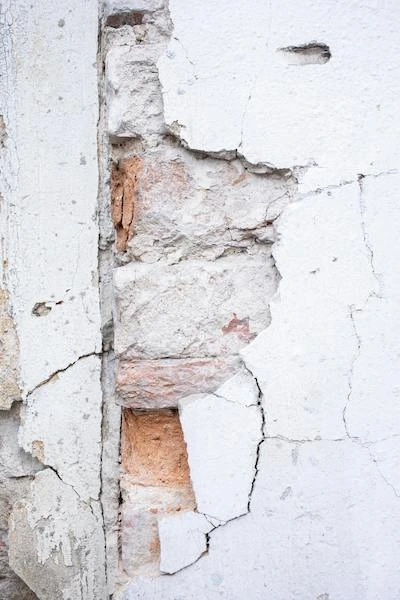
If you have noticed cracking or movement in your property, request a subsidence assessment or call PKT today at +35314912415 to schedule a professional diagnosis of your property's structural issues.
What is subsidence?
Subsidence is the downward movement of the ground supporting the building, which is unconnected with the building's weight. Essentially, it occurs when the soil beneath the foundation is unstable. Subsidence can lead to cracks in walls and other structural damage if left untreated.
What are the signs of subsidence?
Identifying the cause of subsidence begins with exploring its consequences. The emergence of cracks is the first obvious sign of subsidence. Nevertheless, not all cracks indicate a problem. There could be movement in the ground beneath your building if you find:
- Vertical and diagonal cracking concentrated in specific areas, tapering in width between the top and bottom of the building. Horizontal cracks may also occur.
- Cracks extending through the DPC down into the foundations.
- External cracking reflected internally in the same area of the wall.
- Deformity of doors and windows, causing them to stick.
- Floors sloping and walls leaning.
- Rippling wallpaper that isn’t caused by damp.
Why is it important to rectify subsidence quickly?
Cracking due to subsidence will affect the sale of your property. When selling, banks may be reluctant to finance the purchase of property with subsidence problems. If you sell, it may be to a very restricted pool of purchasers, e.g., cash buyers from a building background. Once subsidence is discovered on a survey by a purchaser, they may naturally request a large discount on price to cover potential subsidence repair costs.
If left unresolved, the repair costs can escalate, potentially resulting in rebuilding large sections of the property at much greater costs.
Why hire a subsidence engineer?
An independent engineer can assess the damage, recommend proportionate investigations and consider the appropriate repair options. Where appointed for the repair stage, PKT can prepare designs and tender documents, assess tenders, inspect key stages and provide certification relating to the agreed scope.
What causes subsidence?
- Certain soils: Clay soils are particularly vulnerable to subsidence as they shrink and swell depending on their moisture content. The compression of filled ground can also cause subsidence.
- Vegetation: Trees and shrubs take moisture from soils, causing them to shrink. This is intensified during long dry spells as roots extend in search of water.
- Leaking drains and watermains: Leaking drains and watermains can weaken the supporting subsoil or wash out the fine minerals within the soil, causing the building foundation to settle.
- Property location: Problems may occur where houses are built over or close to mining and quarry works, though this is uncommon.
- Excavations adjacent to building: Can cause subsidence unless proper precautions are taken to support the building in advance and restraining the sides of the excavation.
- Vibration: The ground compacts and shrinks, weakening the subsoil and reducing its capacity to support the building above.
Why PKT?
With 35 years' experience in Dublin, we manage the full process from assessment through to certification.
- Independent of builders and repair contractors
- No sales agenda – diagnosis first
- Experienced with insurance claims
Related Projects & Articles


Subsidence FAQ
Does building insurance cover subsidence?
Subsidence cover depends on the policy wording, the cause and circumstances of the damage, and any applicable conditions, exclusions or excess. Cracking alone does not establish a covered subsidence claim. We can assist with technical assessment and, where separately appointed as loss assessor, review the relevant cover and represent you in the claim.
Can I appoint my own engineer if my insurer's loss adjuster wants to appoint theirs?
You can seek independent engineering advice. Whether the insurer will reimburse any professional fees depends on the policy and the agreed claim arrangements. Obtain written confirmation of the accepted scope and fee arrangements before assuming the costs will be covered. Engineering fees and fees for loss-assessing representation should be considered separately.
How do engineers check for subsidence?
The assessment starts with the visible damage, the building’s construction and available history. Depending on the findings, further work may include drainage testing, water-main testing, opening-up, foundation inspections, ground investigation, level surveys or crack monitoring. The investigation is tailored to the property; not every case requires every test. A visual inspection alone may not establish the cause.
How is subsidence repaired?
The response depends on the cause, extent and progression of movement. It may involve repairing leaking services, addressing another contributing cause, monitoring, local structural repairs or foundation strengthening. Underpinning is considered where the investigation shows it is necessary and appropriate. Cosmetic crack repairs alone may be unsuitable while significant movement continues.
How much does a subsidence inspection cost?
Our domestic visual structural inspection and preliminary written report fees start at the amount shown on our Fees page. The total fee is confirmed for the property and agreed scope before booking. Commercial and institutional appointments are quoted individually. Further investigations, monitoring and repair services are agreed separately.
Find out about our fees -->
We use the information you provide to assess and respond to your enquiry. Please include only information relevant to the property or project. See our Privacy Policy for how we handle your information.


