A property beside a river or stream may be affected by riverbank erosion, flooding, changing groundwater or deterioration of an old retaining wall. These risks do not mean that every riverside property is unsafe. However, the condition, ownership and purpose of adjoining walls should be understood before visible deterioration becomes an emergency.
What Structural Risks Can Affect a Riverside Property?
Potential risks include:
- Erosion or loss of material from the riverbank
- Scour at the base of a wall or foundation
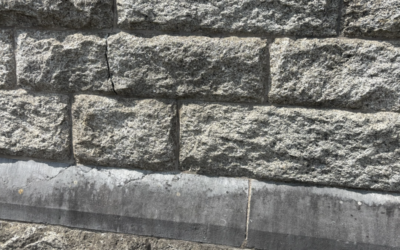
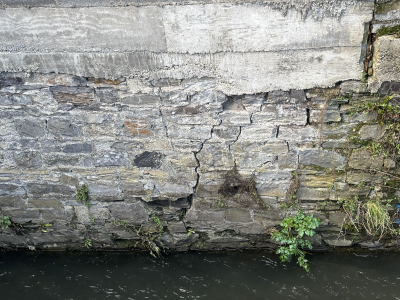
- Deteriorated masonry, open joints or displaced stones
- Water pressure behind a retaining wall
- Flooding and rapid changes in river level
- Washout associated with defective drains or outfalls
- Buildings, extensions or garden structures close to the bank
- Culverted or historically altered watercourses
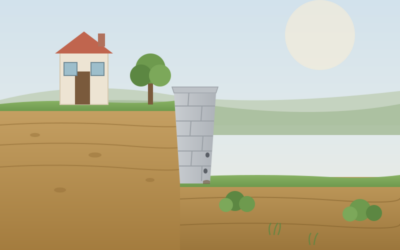
A visible river wall may be only one part of a larger structure supporting gardens, neighbouring land or building foundations.
Dublin’s Hidden Rivers and Culverted Watercourses
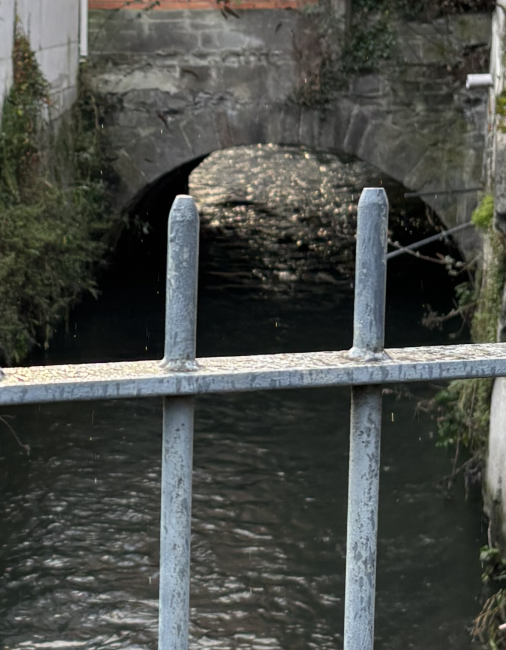
As Dublin developed, many historic rivers and streams were diverted, covered over or incorporated into underground culverts. Watercourses can now pass beneath roads, gardens and developed land with little or no visible evidence at ground level.
Owners may therefore be unaware of an old culvert, channel or tributary close to their property. These features may only become apparent when historical maps and drainage records are examined, during construction work, or following a flood or structural problem.
During intense or prolonged rainfall, flows within these systems can increase considerably. A restricted, deteriorated or damaged culvert may contribute to local flooding, erosion, washout of supporting ground or pressure on adjoining walls. By the time the problem becomes visible, investigation, emergency stabilisation and permanent structural repairs can be expensive.
The presence of a historic watercourse does not mean that a property is defective or at immediate risk. However, it may be an important consideration where unexplained ground movement, recurring flooding, voids or structural cracking are present.
What Warning Signs Require Investigation?
Warning signs can include:
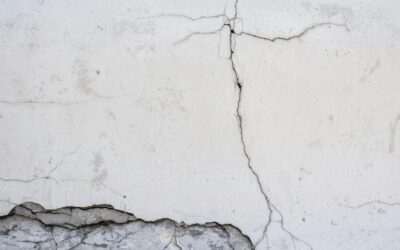
- Cracking, bulging or outward leaning of a river wall
- Settlement or depressions behind the wall
- New voids or loss of garden ground
- Displaced paving or boundary structures
- Exposed foundations, drainage pipes or other services
- Recurring cracking in an adjoining building
- Sudden changes following heavy rainfall or flooding
People should remain clear of unsupported riverbanks and wall edges where collapse appears possible.
Who Is Responsible for a River Wall?
Responsibility cannot be determined from the wall’s location alone. Title documents, property boundaries, easements and information held by relevant public bodies may require review. Ownership of the adjoining watercourse does not necessarily determine responsibility for every river wall.
Property owners should avoid accepting responsibility—or alleging poor maintenance by someone else—until the ownership position and physical cause have been properly established.
What Does a Structural Assessment Consider?
An engineering assessment may consider:
- The construction and present condition of the wall
- The proximity and depth of building foundations
- Evidence of erosion, scour or loss of ground
- Groundwater and drainage conditions
- Historic maps and previous alterations
- Whether monitoring or further investigation is required
- Any immediate need for temporary stabilisation
Do All Riverside Properties Require Investigation?
No. However, professional advice should be considered where deterioration, movement, erosion or uncertainty about the supporting structures is identified—particularly before purchasing, extending or redeveloping the property.
Independent Advice on Riverside Structures in Dublin
PKT Consulting Engineers assesses retaining walls, structural movement and foundation risks affecting residential, period and commercial properties across Dublin. Early advice can help establish the nature of the risk and the appropriate next steps before deterioration becomes more serious.
This article provides general information only and does not determine the condition, ownership or legal responsibility for any particular wall or property.