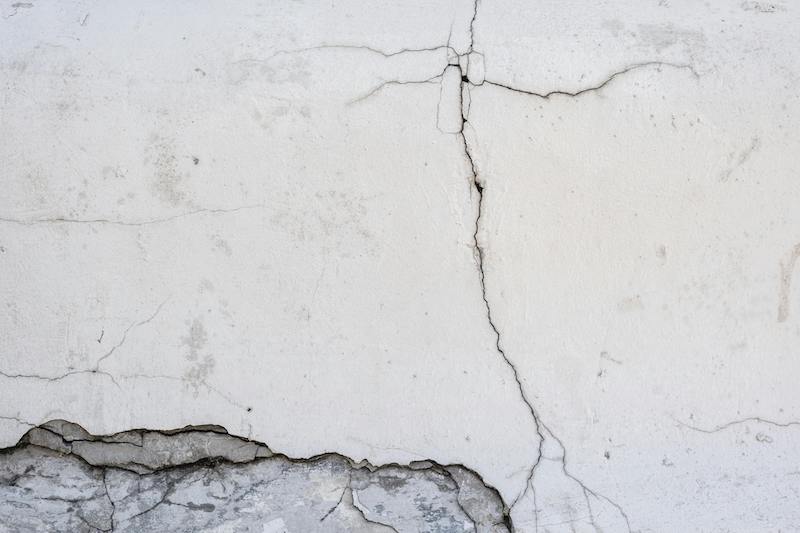
Noticing cracks in your walls can be concerning, but not all cracks indicate a serious problem. Some are harmless. Others may signal structural movement or subsidence.
This guide explains how to tell the difference, what warning signs to look for, and when to seek professional advice in Dublin.
Are Cracks in Walls Always Serious?
No. Many cracks in walls are caused by normal settlement, temperature changes, or minor material movement.
These are typically cosmetic and do not indicate structural issues.
However, some cracks may point to underlying problems—particularly if they are worsening, recurring, or appearing alongside other symptoms.
Types of Cracks That May Indicate a Problem
Diagonal Cracks Around Doors and Windows
Often linked to structural movement or foundation issues.
Step Cracks in Brick or Blockwork
Can indicate ground movement or subsidence.
Horizontal Cracks
May suggest structural stress, especially at lower levels.
Cracks That Reappear After Repair
A strong indicator that the underlying issue has not been resolved.
Signs of Subsidence to Watch For
Cracks alone don’t confirm subsidence. Look for combinations of:
- Cracks widening over time
- Doors and windows sticking or misaligning
- Sloping or uneven floors
- Gaps at skirting boards
- Wallpaper tearing or rippling
If multiple signs are present, an assessment is recommended.
When Should You Call a Structural Engineer?
You should consider a professional assessment if:
- Cracks are recent or worsening
- Cracks follow a clear pattern (e.g. diagonal/step)
- Cracks reappear after repair
- Other symptoms (movement, sticking doors) are present
An early, independent opinion can prevent unnecessary repairs or identify serious issues before they escalate.
A Common Mistake to Avoid
Many property owners move straight to repair solutions without identifying the cause.
Filling cracks without diagnosis often leads to the problem returning.
Similarly, relying on a single repair method without proper assessment can result in unnecessary costs.
Diagnosis should always come before repair.
How an Engineering Assessment Works
1. Inspection
Visual assessment of cracks, structure, and surroundings.
2. Monitoring (if required)
Tracking movement over time using crack gauges.
3. Investigation
Drainage surveys, trial pits, or ground checks if needed.
4. Report & Recommendations
Clear explanation of:
- Cause
- Risk level
- Whether subsidence is likely
- Next steps
Why Independent Advice Matters
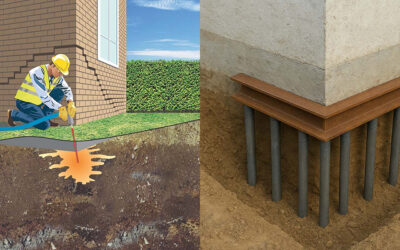
Some companies offer repair systems such as resin injection or underpinning solutions.
These providers are typically focused on installing a specific product.
An independent engineering assessment ensures:
- The cause is correctly identified
- The solution is appropriate to the property
- No unnecessary work is carried out
What Should You Do If You Notice Cracks?
Take a measured approach:
- Observe whether cracks are changing
- Look for additional signs of movement
- Avoid rushing into repairs
If in doubt, a professional assessment can provide clarity and direction.