
Subsidence Engineer Dublin – Assessment, Reports & Repair Design
Cracks in your walls or signs of movement can be worrying.
If subsidence is left undiagnosed, repair costs can increase significantly and may affect the value and insurability of your property.
PKT are chartered engineers and loss assessors in Dublin with over 34 years of experience fixing subsidence issues. We can investigate, design, and manage the repair of your property’s subsidence and remove the stress of bringing an insurance claim.
If you have noticed cracking or movement in your property, request a subsidence assessment or call PKT today at 01 491 2415 to schedule a professional diagnosis of your property’s structural issues.
What is subsidence?
Subsidence is the downward movement of the ground supporting the building, which is unconnected with the building’s weight. Essentially, it occurs when the soil beneath the foundation is unstable. Subsidence can lead to cracks in walls and other structural damage if left untreated.
What are the signs of subsidence?
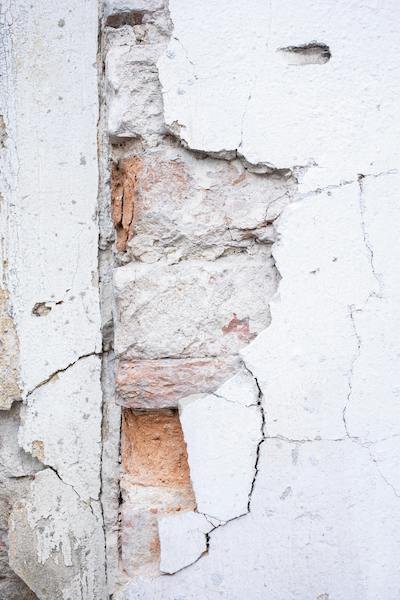
Identifying the cause of subsidence begins with exploring its consequences. The emergence of cracks is the first obvious sign of subsidence. Nevertheless, not all cracks indicate a problem. There could be movement in the ground beneath your building if you find:
- Vertical and diagonal cracking concentrated in specific areas, tapering in width between the top and bottom of the building. Horizontal cracks may also occur.
- Cracks extending through the DPC down into the foundations.
- External cracking reflected internally in the same area of the wall.
- Deformity of doors and windows, causing them to stick.
- Floors sloping and walls leaning.
- Rippling wallpaper that isn’t caused by damp.
Why is it important to rectify subsidence quickly?
Cracking due to subsidence will affect the sale of your property. When selling, banks may be reluctant to finance the purchase of property with subsidence problems. If you sell, it may be to a very restricted pool of purchasers, e.g., cash buyers from a building background. Once subsidence is discovered on a survey by a purchaser, they may naturally request a large discount on price to cover potential subsidence repair costs.
If left unresolved, the repair costs can escalate, potentially resulting in rebuilding large sections of the property at much greater costs.
Why hire a subsidence engineer?
Acting impartially on your behalf, a subsidence engineer like PKT Dublin can;
- Tender the repairs to specialist subsidence contractors, who will offer an additional guarantee for the works to be covered.
- Advise on design options if underpinning works are required.
- Carry out interim inspections of the construction phase, including underpinning and structural repair works.
- Provide certification upon completion.
Therefore, you have peace of mind that the works have been overseen by a chartered engineer to ensure they meet the specifications and budget.
As chartered subsidence engineers, PKT can certify subsidence repairs to reflect that the building has been returned to its condition prior to the problem. We are subsidence specialists based in Dublin with over 34 years of experience in investigating subsidence problems. We can manage your subsidence repair and insurance claim from start to finish and prepare a structural report for submission to your insurance.
What causes subsidence?
- Certain soils: Clay soils are particularly vulnerable to subsidence as they shrink and swell depending on their moisture content. The compression of filled ground can also cause subsidence.
- Vegetation: Trees and shrubs take moisture from soils, causing them to shrink. This is intensified during long dry spells as roots extend in search of water.
- Leaking drains and watermains: Leaking drains and watermains can weaken the supporting subsoil or wash out the fine minerals within the soil, causing the building foundation to settle.
- Property location: Problems may occur where houses are built over or close to mining and quarry works, though this is uncommon.
- Excavations adjacent to building: Can cause subsidence unless proper precautions are taken to support the building in advance and restraining the sides of the excavation.
- Vibration: The ground compacts and shrinks, weakening the subsoil and reducing its capacity to support the building above.
Why PKT?
With 34 years experience in Dublin, we manage the full process from assessment through to certification.
- Independent of builders and repair contractors
- No sales agenda – diagnosis first
- Experienced with insurance claims
Request a Subsidence Assessment
Subsidence FAQ
Does building insurance cover subsidence?
Usually, subsidence claims are covered unless expressly excluded from your building insurance policy.
TIP: It is not advisable to shop around yearly for building insurance to avoid issues in the future if you suffer subsidence and need to make a claim. It can be challenging to establish liability if there are multiple insurers over the years. This is different from other insurances, e.g., car insurance.
Can I appoint my own engineer if my insurer's loss adjuster wants to appoint theirs?
You can usually employ your engineer under the terms of your policy and have their reasonable costs covered unless it’s expressly excluded. Ask to be shown the wording by the insurer’s loss adjuster if you are told you can’t appoint your own engineers. Insurers typically appoint their engineer and loss adjuster on a subsidence claim to advise them. However, we recommend appointing your own subsidence engineer and loss assessor to represent you during the insurance claim process.
TIP: If you receive consultancy advice, ensure you have a contract signed with whomever you receive professional advice from. The insurers should refund the reasonable professional fees if liability is accepted.
How quickly to subsidence cracks appear?
Subsidence cracking can occur at any time, typically after events like leaking drains or water pipes wash away or soften the ground below foundations. The speed and extent of crack appearance depend on factors like soil conditions, the severity of the triggering event, and the extent of the damage. It’s important to note that cracking can have different causes, not just subsidence, so it’s essential to employ a chartered engineer to investigate. If subsidence is established, PKT can prepare a proposed solution for pricing.
What is the difference between settlement and subsidence?
Subsidence is the downward movement of the ground supporting the building, unrelated to the building’s weight. Essentially, it occurs when the soil beneath the foundation is unstable. Settlement occurs when the ground bearing the structure yields under the building’s load. Settlement is not usually covered under insurance, whereas subsidence is typically covered.
What is the impact of subsidence on buildings?
If the movement is progressive and left unrepaired, the building can deteriorate structurally, possibly requiring more expensive solutions to repair or demolition in extreme situations. In my experience, the cost of subsidence repairs increases the longer the building subsidence movement is left in progress.
How much does subsidence devalue property?
Discussing the current market values for similar properties with an estate agent is recommended. However, they will need to know how much it would cost to repair the subsidence issue to give a more accurate potential value. An investigation by a chartered engineer with experience in assessing the extent of the damage and potential repair solutions would help in this analysis. Depending on its extent, a subsidence issue can generally make it more challenging to sell. Banks may sometimes be reluctant to provide finance for the property or may want detailed costs for the required repairs.
TIP: Having the subsidence repairs specified, monitored, and certified by a chartered engineer would be beneficial.
How can you tell how severe subsidence is?
A full investigation by a chartered engineer is required to establish the severity of the issue. Factors to assess include the extent of cracking, the rate of progression, the degree of structural deterioration, and the impact on floors, doors, windows, and walls.
How to fix subsidence?
Various forms of underpinning can be utilized to fix subsidence, depending on factors like the building’s age, construction type, access to the property, extent of the subsidence, soil type, and foundation type. A chartered engineer with experience in fixing subsidence can advise on the best approach.
TIP: If your insurers accept liability and are repairing directly, we recommend appointing your engineer to independently review their proposed method of underpinning and its suitability to resolve your issue entirely.
How much does subsidence cost to repair?
The cost of subsidence repair depends on the extent of the issue and must be assessed by a chartered engineer experienced in subsidence projects. Investigations, testing, and inspections are typically required before a repair cost can be calculated. PKT would be happy to provide a quote for the same.
How do engineers check for subsidence?
PKT conducts an initial preliminary assessment to determine if subsidence is a potential cause and if immediate emergency temporary supports are required. This is followed by testing and a detailed report to confirm the extent of the problem and possible solutions.
How much does a subsidence survey cost?
The cost of a subsidence survey depends on factors like the building’s age, size, and location. Please call our offices at 01 491 2415 or email us at info@pkt.ie to get a personalised quote.
What is resin injection underpinning?
Resin injection underpinning is advertised as a quick, non invasive fix to subsidence. However, it comes with many issues. Resin is less predictable in deep fill soils, peat, or water-bearing ground, and many guarantees have important exclusions, such as problems caused by groundwater or if resin spreads into drains or neighbouring land. You should always consult independent engineers such as PKT, to review the ground conditions and recommend the best long term underpinning solution.